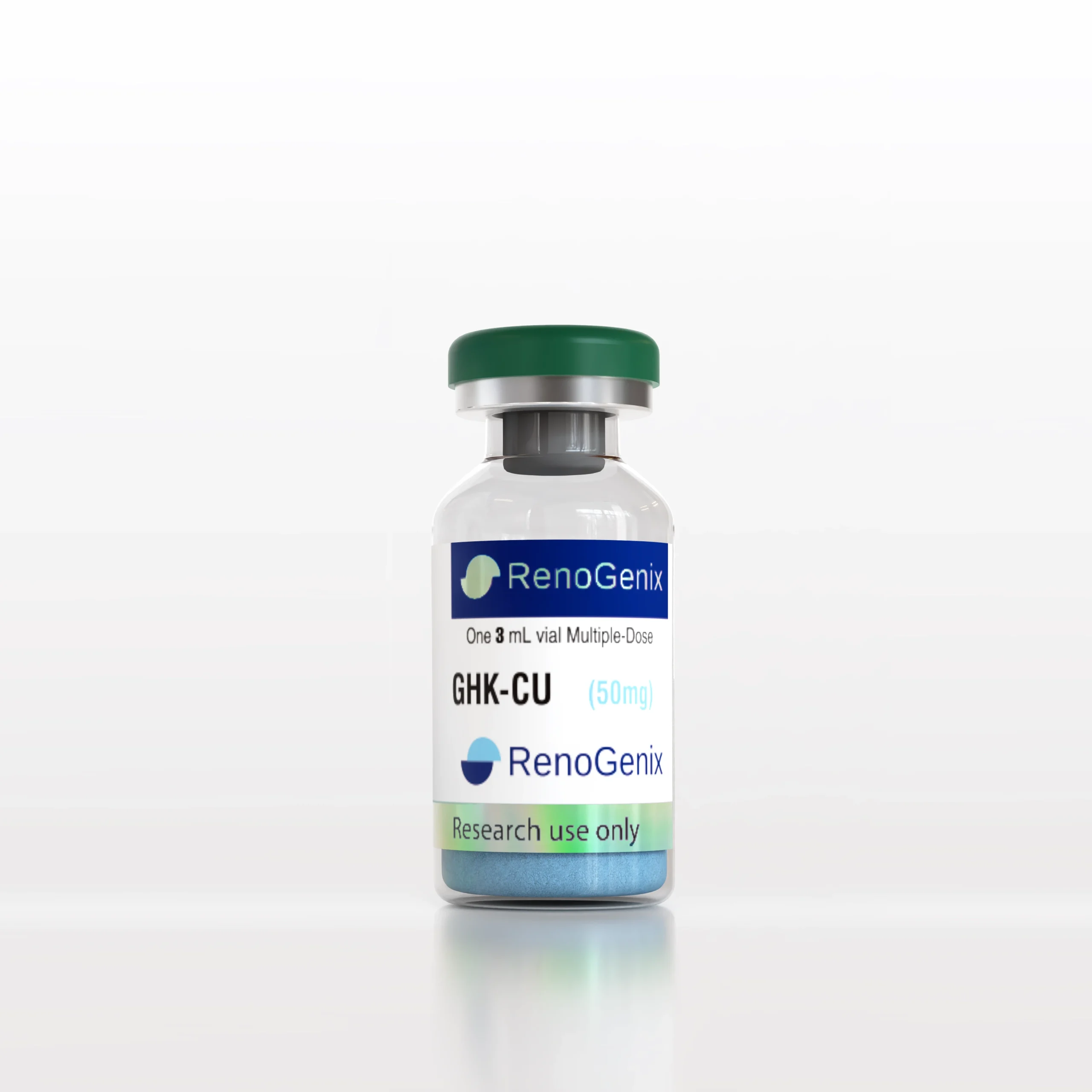
THESE STATEMENTS HAVE NOT BEEN EVALUATED BY THE FOOD AND DRUG ADMINISTRATION. THIS PRODUCT IS NOT INTENDED TO DIAGNOSE, TREAT, CURE OR PREVENT ANY DISEASE. ALL ARTICLES AND PRODUCT INFORMATION PROVIDED ON THIS WEBSITE ARE FOR INFORMATIONAL AND EDUCATIONAL PURPOSES ONLY.
References to human benefits are based on theoretical extrapolation from laboratory findings and should not be construed as medical claims or therapeutic recommendations. Research should be conducted only by licensed researchers in appropriate laboratory settings.
These products are not intended to be used as foods, drugs or cosmetics, any sort of bodily introduction of the products into humans or animals is strictly prohibited. They must also not be misbranded misused, or mislabeled, or used for anything other than research and scientific investigation.
All the products you see on the website are being sold in a lyophilized powder state (freeze-dried), in a sealed sterile vial; and should be reconstituted.
The product’s label clearly states the amount of product a vial contains; some products are offered in different variations.
The products we are selling come in a sealed vial but require additional lab equipment for proper testing. This equipment includes bacteriostatic water (for reconstitution), syringes and needles (to draw the product from the vial/apply bacteriostatic water), alcohol disinfection pads etc.
Though we make sure packaging, label, seals and writing does not differ from the product photos you see on our website, there is a chance for a minimal deviation.
GHK-Cu (Glycyl-L-histidyl-L-lysine copper) represents a naturally occurring copper-peptide complex initially isolated from human plasma. This tripeptide demonstrates remarkable biological significance through its ability to form high-affinity complexes with copper (II) ions, facilitating numerous physiological processes. Research indicates its concentration in human plasma decreases significantly with age, correlating with various age-associated phenomena in tissue repair and regeneration mechanisms.
The peptide consists of three amino acids complexed with copper:
The copper-binding sequence creates a specific geometric configuration that enables:
Laboratory studies demonstrate multiple regenerative pathways:
Research models indicate acceleration of healing processes through:
Investigation of protective mechanisms reveals:
Studies demonstrate influence on multiple genetic pathways:
Research indicates potential neuroprotective properties:
Current investigational protocols utilize:
Laboratory research parameters typically include:

Renogenix focuses on the synthesis of highly purified peptides, proteins, and amino acid derivatives for scientific research and development.
Renogenix focuses on the synthesis of highly purified peptides, proteins, and amino acid derivatives for scientific research and development.